
Jacksonville Inmate Population
The Jacksonville inmate population data runs through the Jacksonville Police Department and the Pulaski County jail. Jacksonville sits in Pulaski County. The county jail is the Pulaski County Regional Detention Facility on West Roosevelt Road in Little Rock. Jacksonville Police make the arrest, and the inmate moves to the county jail. This page shows the police contact info, the county jail roster link, court info, and the FOIA process. The Jacksonville inmate population search is free.
Jacksonville Inmate Population Overview
Which County Holds Jacksonville Inmates
Jacksonville sits in Pulaski County. All Jacksonville Police arrests go to the Pulaski County Regional Detention Facility at 3201 West Roosevelt Road, Little Rock, AR 72204. Phone: (501) 340-7001. Visit the Pulaski County inmate population page for the full county rundown.
The Pulaski County jail is the largest local detention facility in Arkansas with 1,200+ daily inmates. It opened in 1994. Pre-trial detainees, short-sentence misdemeanor offenders, and state-ready inmates are all housed there.
Jacksonville Police Department
The Jacksonville Police Department handles arrests within city limits. The phone is 501-982-3191. Chief Brett Hibbs leads the department.
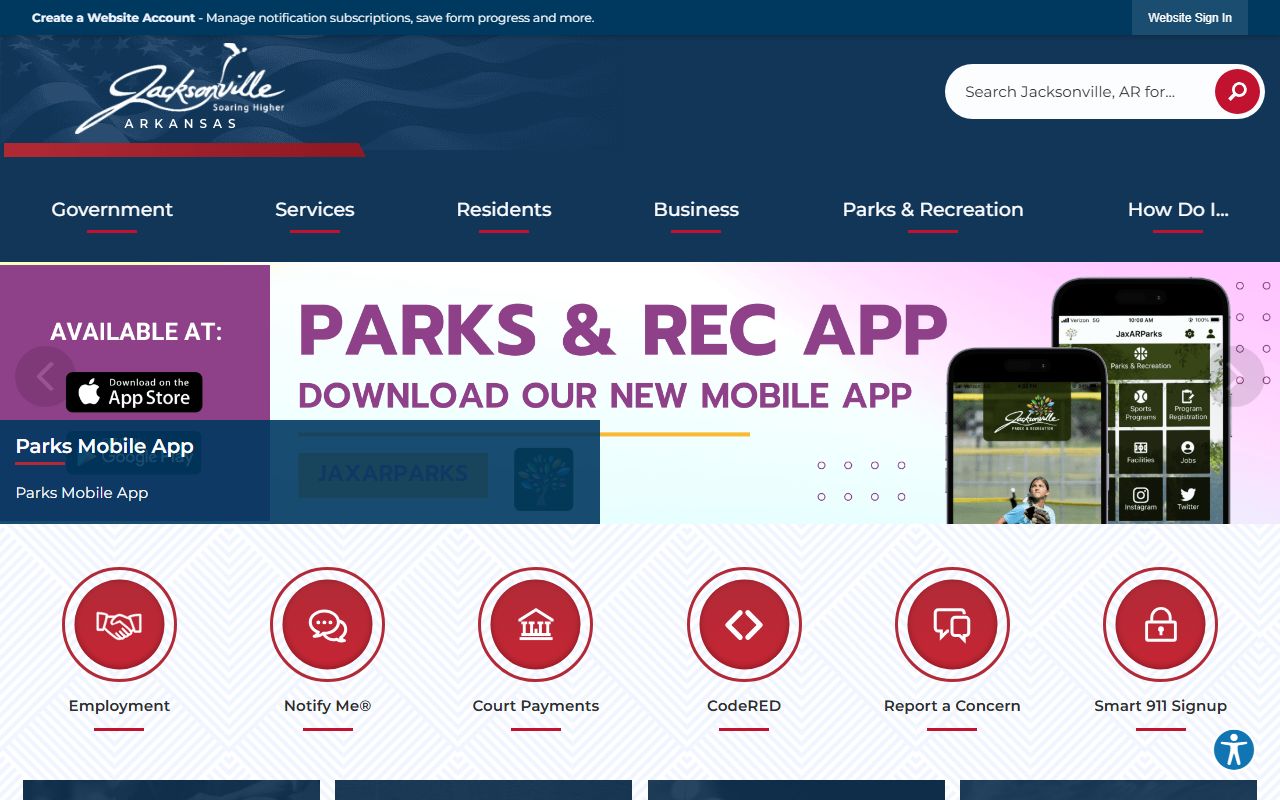
The department covers daily city law enforcement and feeds arrests into the county jail. Records requests go through the police records division.
Search the Pulaski County Roster for Jacksonville Inmates
To check on a Jacksonville arrest, search the Pulaski County roster.
Use the Pulaski County inmate roster to look up an inmate. Each record shows the mugshot, charges, bond, and booking date. Filter by arresting agency to find Jacksonville Police bookings.
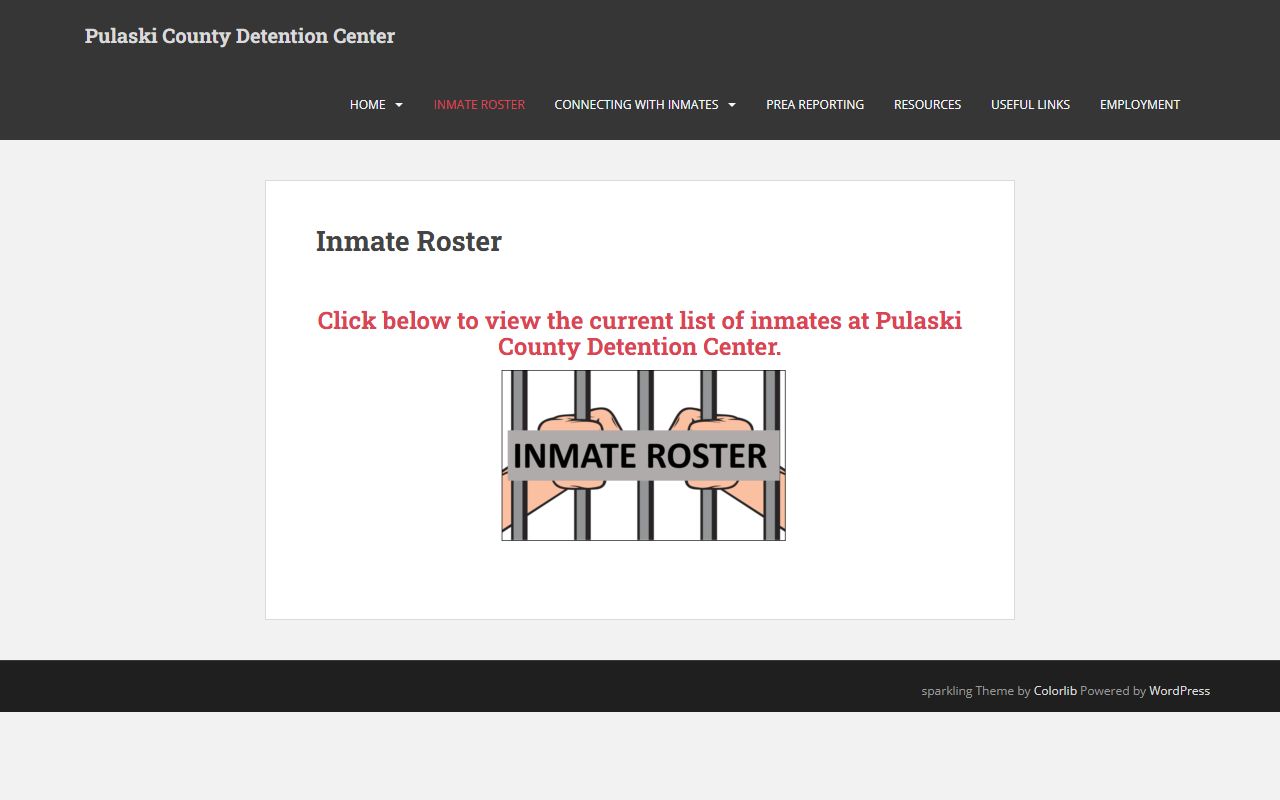
The Zuercher Portal at pulaski-so-ar.zuercherportal.com is an alt URL with the same data and a different layout. Use whichever loads best for you.
Court Records for Jacksonville Inmates
The Jacksonville District Court hears city-level misdemeanors, traffic, and preliminary felonies. Felony cases tied to the Jacksonville inmate population go to the Pulaski County Circuit Court. Use the Arkansas CourtConnect portal for a statewide case lookup.
The Pulaski County Circuit Clerk keeps the paper case files. Certified copies cost $5 to $10 per document. CourtConnect searches are free and updated daily.
Note: The Jacksonville inmate population is held at the Pulaski County jail in Little Rock, so the search runs through the county roster, not a city roster.
FOIA Requests for Jacksonville Records
Arkansas FOIA covers Jacksonville Police records and Pulaski County jail records under Ark. Code Ann. § 25-19-101. Send a written FOIA request to the right office. The three-day response rule applies.
State and Federal Jacksonville Inmate Lookup
State prison inmates from Jacksonville cases show on the ADC inmate search. Filter by county of conviction set to Pulaski. Federal inmates are tracked through the Federal Bureau of Prisons locator.
Sign up for VINE custody alerts at VINELink. The Arkansas VINE hotline is 1-800-510-0415.
Jacksonville Commissary Deposit Methods
Inmates in the Jacksonville inmate population use the commissary to buy snacks, hygiene items, writing supplies, and phone time. Funds are added to each inmate's account in a few ways.
Most facilities have a lobby kiosk that takes cash or card deposits 24 hours a day. Money orders sent through the mail must include the inmate's name and booking number. Many jails also accept online deposits through a contracted vendor like Tiger Commissary or Access Corrections. The vendor charges a small processing fee per deposit.
Parole Process for Jacksonville Inmates
State prison inmates from Jacksonville cases come up for parole review under rules set by the Arkansas Parole Board. Under Ark. Code Ann. § 16-93-202, the board posts info about each parole-eligible inmate at least six months before the hearing. The post lists the inmate's name, ADC number, prior revocations, and a recent photo.
The board meets several times each month. Hearings are not open to the public for most cases. Victims and family of victims can attend or send written statements. The board votes on whether to grant parole, deny it, or set the case for review at a later date. Parole grants usually come with conditions like supervision, drug testing, and restrictions on travel.
Jacksonville Mugshot and Photo Release
Mugshots taken during Jacksonville inmate population intake are public records under Arkansas FOIA. Most county sheriff offices release booking photos on request. Some post them directly to the online roster. A few smaller offices ask for supervisor approval before releasing a photo, especially if the case is tied to an active investigation.
Under Ark. Code Ann. § 25-19-105, the Sheriff has three business days to respond to a mugshot request. The fee is limited to actual duplication cost. Mugshots may be delivered as a digital file or a printed copy. Older mugshots, including ones from cases that ended years ago, can usually still be pulled from archived records.
Inmate Mail and Communication
People in the Jacksonville inmate population can get mail from family and friends. Letters must be on plain paper with the inmate's full name and booking number on the envelope. Most facilities reject mail with stickers, glitter, perfume, lipstick, or stamps that are not standard postage. Postcards are often the safest format because they pass through screening fast.
Packages are usually not allowed unless approved in advance by jail staff. Books and magazines often need to come direct from the publisher. Money may be sent through approved deposit methods, not in the mail. Legal mail from an attorney follows a separate process and is opened only in the inmate's presence.
Arkansas Sentencing Data and Jacksonville
The Arkansas Sentencing Commission tracks state prison admissions by county of conviction. The data feeds into a ten-year prison population forecast that the state uses for budget and facility planning. The Jacksonville inmate population that ends up in state prison shows up in this report.
Annual reports from the Sentencing Commission cover admissions by gender, age, race, and offense type. The reports also list release counts and the projected state prison count by month. The data is helpful for tracking trends in Jacksonville inmate population sentencing.
Bond Types in Jacksonville
Jacksonville accepts several bond types for inmate population releases. Cash bonds are the most direct. The full amount is paid in cash at the jail booking desk. The cash is held by the court and refunded after the case ends, minus any court costs or fines.
Surety bonds are posted through licensed bail bondsmen. The bondsman charges a non-refundable fee, usually 10 percent of the bond amount. The bondsman then guarantees the full bond to the court. If the inmate fails to appear, the bondsman is on the hook for the full amount.
Property bonds are accepted in some cases. The defendant pledges real estate worth at least double the bond amount. The court records a lien against the property. Signature bonds (also called PR bonds) are sometimes granted for low-risk defendants charged with minor offenses, with no money required.
Jacksonville Commissary Deposit Methods
Inmates in the Jacksonville inmate population use the commissary to buy snacks, hygiene items, writing supplies, and phone time. Funds are added to each inmate's account in a few ways.
Most facilities have a lobby kiosk that takes cash or card deposits 24 hours a day. Money orders sent through the mail must include the inmate's name and booking number. Many jails also accept online deposits through a contracted vendor like Tiger Commissary or Access Corrections. The vendor charges a small processing fee per deposit.
Parole Process for Jacksonville Inmates
State prison inmates from Jacksonville cases come up for parole review under rules set by the Arkansas Parole Board. Under Ark. Code Ann. § 16-93-202, the board posts info about each parole-eligible inmate at least six months before the hearing. The post lists the inmate's name, ADC number, prior revocations, and a recent photo.
The board meets several times each month. Hearings are not open to the public for most cases. Victims and family of victims can attend or send written statements. The board votes on whether to grant parole, deny it, or set the case for review at a later date. Parole grants usually come with conditions like supervision, drug testing, and restrictions on travel.
Nearby Arkansas Cities
Jacksonville sits in central Arkansas with several other cities nearby.